Grand Beach, MI Community And Homebuyer Guide
June 25, 2026
June 25, 2026
Dreaming about a Lake Michigan getaway that feels tucked away, scenic, and full of character? Grand Beach offers a very specific kind of ownership experience, and that is exactly why so many buyers are drawn to it. If you are considering a home here, this guide will help you understand the village’s history, housing style, amenities, and rules so you can decide whether Grand Beach fits the way you want to live. Let’s dive in.
Grand Beach is a small village in Berrien County and New Buffalo Township with roots as an early 1900s resort community. According to the village, Floyd R. Perkins and George Ely assembled 600 acres of dunes, added roads, bridges, waterworks, and a nine-hole golf course, and helped shape the community that still defines the area today. The village had 48 homes by 1911 and was incorporated in 1934.
That history still shows up in how Grand Beach feels now. It is not best understood as a typical subdivision or a commercial beach town. Instead, it feels like a compact lakeshore resort village with a strong identity, historic touches, and a mix of summer and year-round residents.
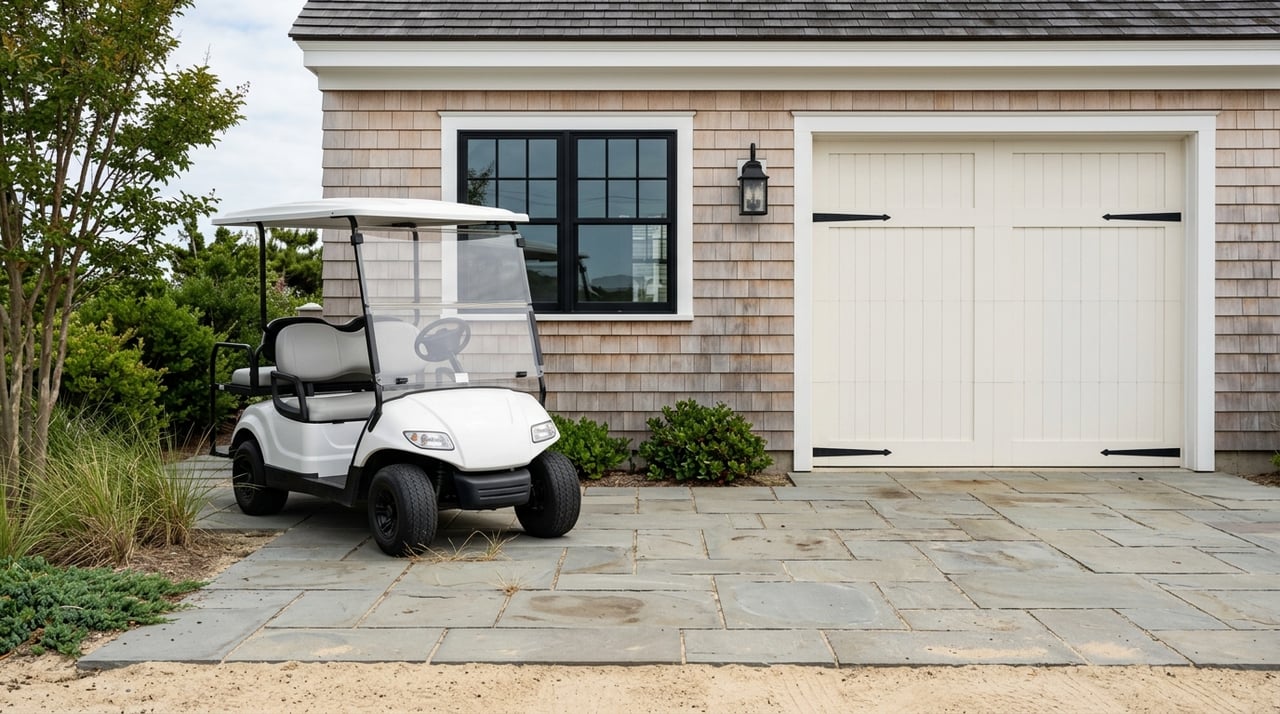
Life in Grand Beach centers on the shoreline, the village setting, and easy seasonal recreation. The beaches are one of the community’s defining assets, and the village’s golf-cart culture adds to the casual, resort-style rhythm of everyday life. If you picture quick cart rides, beach days, and a smaller-scale community atmosphere, Grand Beach tends to deliver that experience.
At the same time, this is a managed village environment. Access, parking, rentals, and property use are all shaped by local rules. For many buyers, that structure is part of the appeal because it helps preserve the community’s character.
The beach is a major reason buyers look at Grand Beach in the first place. The village emphasizes its beaches as one of its greatest assets, and that shoreline setting is central to the community’s appeal. For second-home buyers especially, beach proximity often matters just as much as the house itself.
Still, it is important to know that beach conditions can change. The village notes that erosion and storm impacts have reduced beach area and closed some easements in certain locations. Before you buy, you should confirm the specific access point tied to the property and understand any current physical or seasonal limitations.
The village also posts beach-use rules that shape the ownership experience. There are no lifeguards, beach fires require permits, fireworks are prohibited on public lands and beaches, and dog access is limited by time and leash rules. These details may sound small, but they matter when you are choosing a home for weekends, summers, or guest use.
In many places, golf carts are a novelty. In Grand Beach, they are a meaningful part of how people move around and enjoy the village. This is one of the features that gives the community its distinct personality.
The village says Grand Beach homeowners may buy a resident sticker regardless of year-round status. Only stickered golf carts may operate in the village, and operators on public ways must be at least 16 and hold a valid driver’s license. If golf-cart access is part of your ideal lifestyle, it makes sense to learn the sticker and operating rules early in your home search.
Parking rules matter too. The village says golf-cart parking at beach accesses requires a village parking sticker, and overflow parking is available at Village Hall. That setup makes beach access functional, but it also reflects the village’s organized, rule-based approach.
Grand Beach has a real golf identity, but buyers should understand what that means in practice. Grand Beach Golf Course is a historic public course, not a private club. The official course site describes it as a Tom Bendelow design dating to 1911, with a seasonal operating window from April 1 through October 31.
That distinction is useful if you are comparing communities. Grand Beach offers golf as part of its village lifestyle, but not as a private membership environment. If you like the idea of a public-course setting woven into a small resort village, that can be a strong fit.
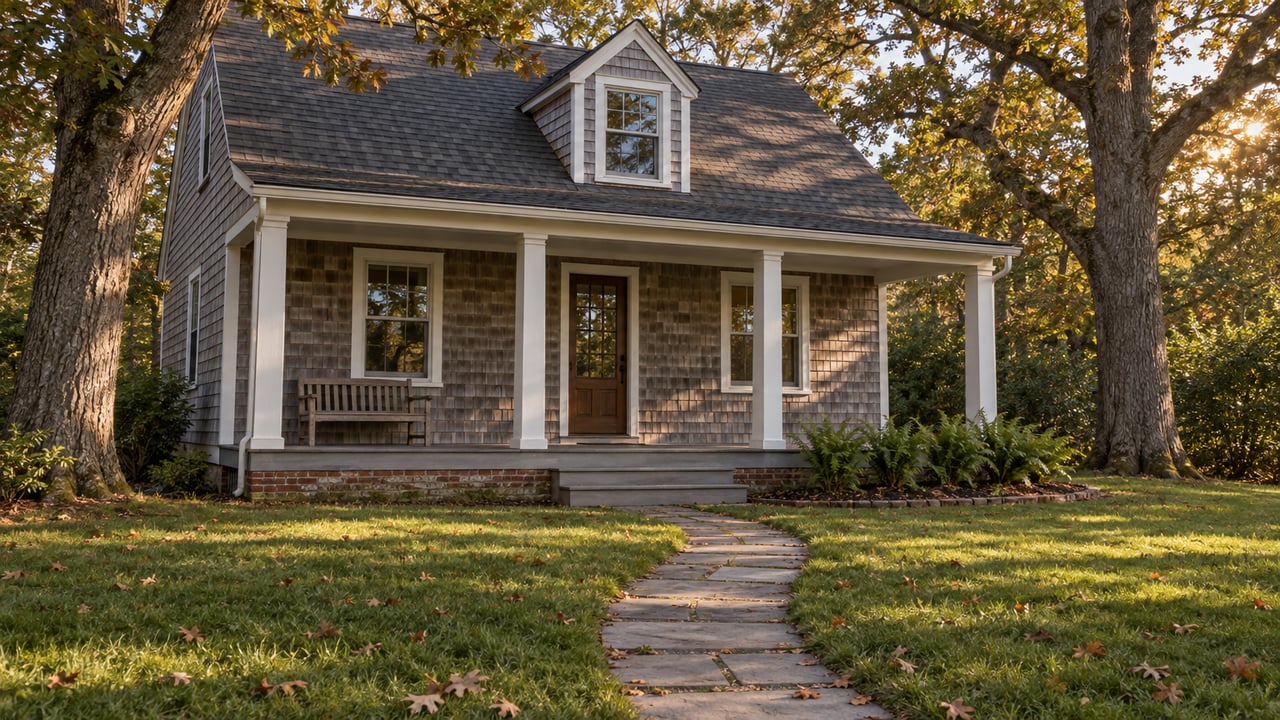
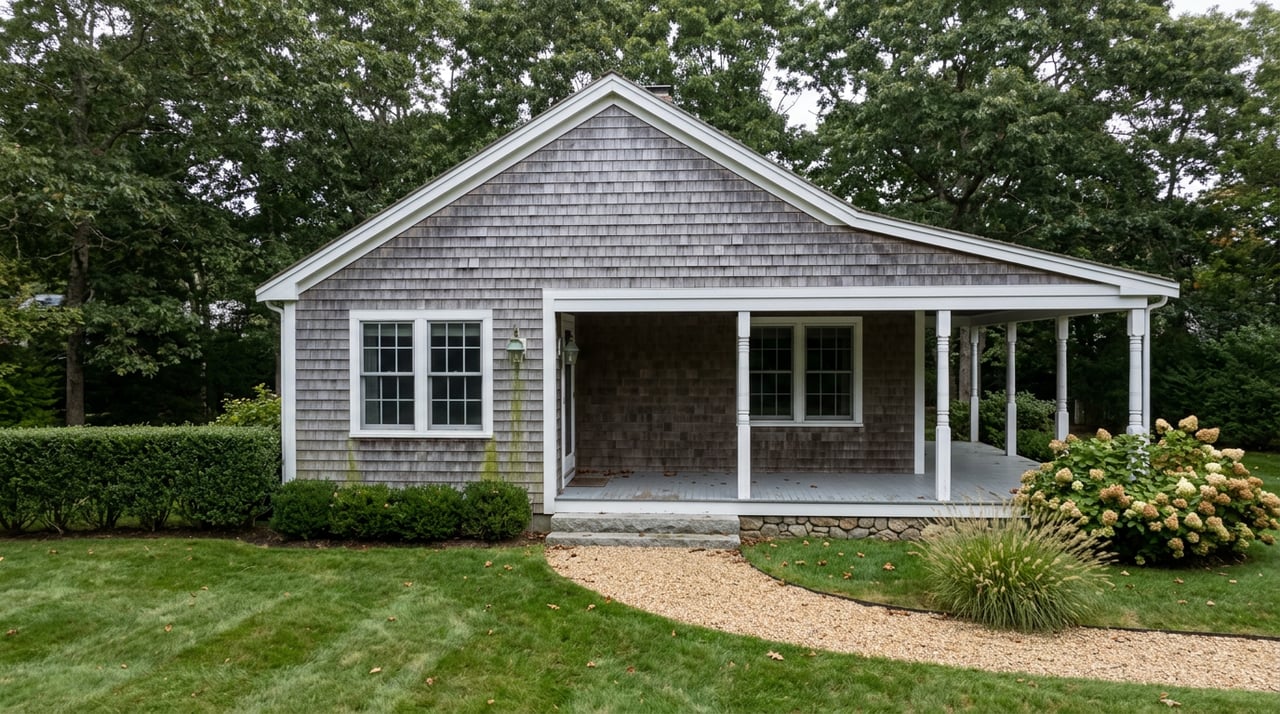
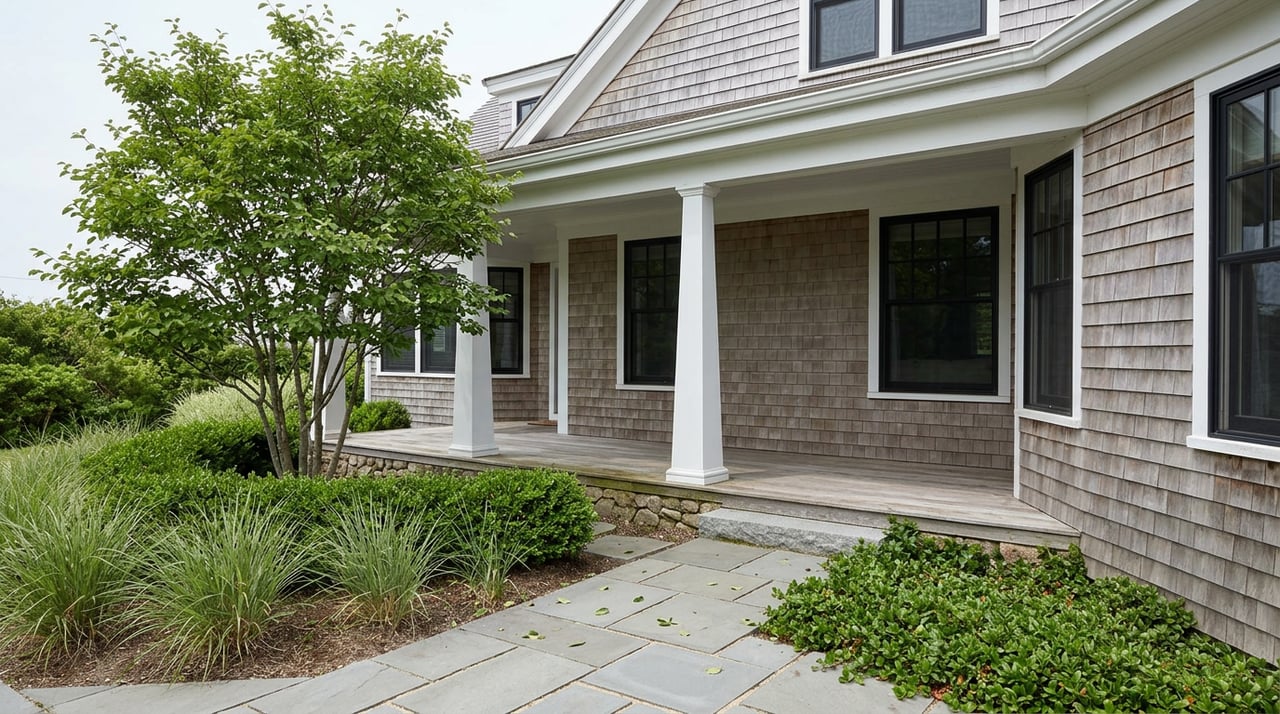
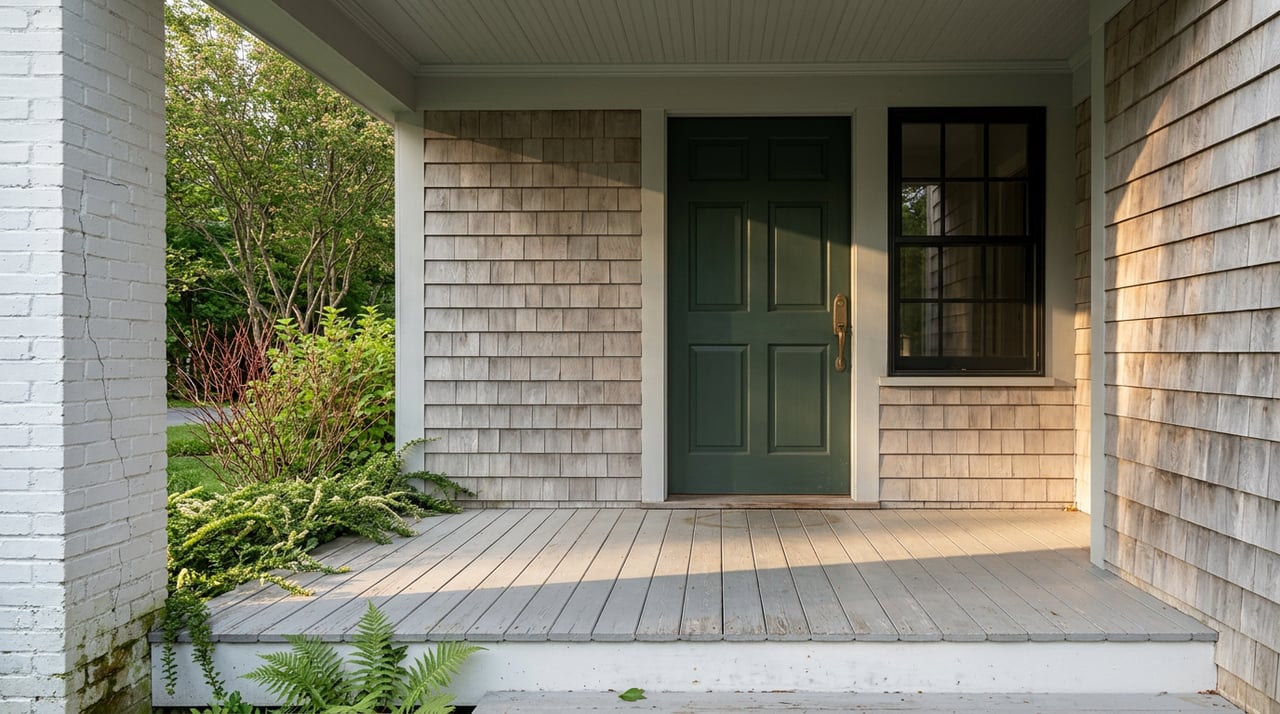
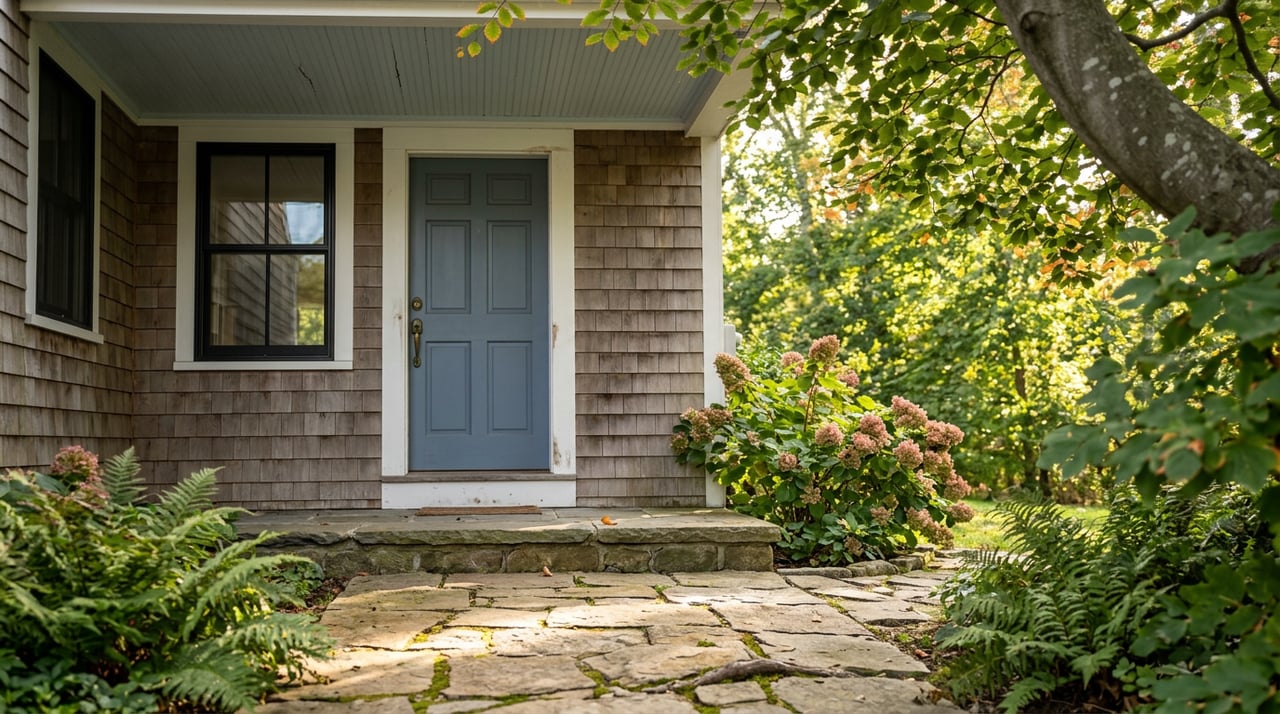
Grand Beach has an architectural mix that reflects its long history. The village history highlights early Sears and Roebuck cottages and three Frank Lloyd Wright homes. That gives the housing stock a more layered, cottage-resort feel than you would see in a newer planned development.
For you as a buyer, that often means more variety from property to property. You may find older cottages, renovated homes, or selectively updated and newer properties rather than a uniform housing style. That variety can be exciting, but it also means each home deserves careful review on condition, layout, lot use, and long-term plans.
Many buyers are drawn to Grand Beach because the homes feel distinctive and established. That charm can be a big advantage, especially if you want character over cookie-cutter design. But older housing stock usually comes with more questions about renovation history, systems, and site constraints.
If you are considering updates, additions, or a larger rebuild over time, local rules become especially important. Grand Beach’s building and zoning page says vacant-land clearing, grading, filling, or tree removal generally cannot begin until a site plan is approved and a zoning permit is issued. It also notes that electrical, mechanical, and plumbing permits should be obtained from the State of Michigan.
Grand Beach also limits when most construction work can happen. The village restricts most work to weekdays from 8:00 a.m. to 5:00 p.m., with limited off-season Saturday work and some exceptions for enclosed work. If you are buying with renovation plans in mind, that timeline structure is worth understanding from the start.
This does not mean improvement projects are off the table. It simply means buyers should expect a more hands-on local process than they might find in a standard suburban setting. In a place with vintage cottages and a carefully managed village feel, that is an important part of ownership.
If you are thinking about using a Grand Beach property as both a getaway and an occasional rental, do not treat the rental rules as a small detail. The village says all homes used as short-term rentals must be registered. The village’s ordinance materials also show oversight, bedroom occupancy standards, and revocation procedures.
That makes intended use a key part of your home search. A property that works well as a personal retreat may not line up with your rental plans in the way you first expected. If hybrid use is important to you, it is smart to verify compatibility with the village’s current framework before making an offer.
Lifestyle buyers often bring more than beach towels and patio furniture. Golf carts, kayaks, boats, trailers, jet skis, and other seasonal equipment can all be part of the equation. In Grand Beach, those items are allowed within limits, and those limits can influence which properties make sense for you.
The zoning ordinance allows some seasonal parking of golf carts, small boats, kayaks, canoes, jet skis, snowmobiles, and trailers. It limits storage to five such items per dwelling unit and requires boats and trailers over 20 feet to be kept in an enclosed weather-tight structure or garage. That means garage size, lot configuration, and storage design may matter more here than many out-of-town buyers first assume.
One of the most helpful ways to evaluate Grand Beach is to compare it with other nearby lakeshore markets. In this part of Southwest Michigan and Northwest Indiana, communities may look similar on a map but feel very different once you understand how people actually use them.
Compared with New Buffalo, Grand Beach is more residential and less commercial. New Buffalo includes a larger public beach, a boat launch, transient marina, and a downtown with dining, lodging, and shopping. Grand Beach, by contrast, feels smaller in scale and more centered on village life, beach access, and local rules.
If you want quick access to restaurants, shops, and a more active city setting, New Buffalo may appeal to you more. If you want a quieter resort-village atmosphere with a distinct neighborhood identity, Grand Beach may be the better match.
Grand Beach and Michiana are both quiet lakeshore communities, but the ownership experience is not the same. Michiana describes itself as a quiet residential community, and its beaches are public with no public parking. Grand Beach has village-managed beach-access parking, golf-cart stickers, and a public golf course.
That makes Grand Beach somewhat more amenity-structured and activity-oriented. If you want a very quiet residential feel, Michiana may be worth comparing. If you like a little more built-in recreation and organized access, Grand Beach often stands apart.
Some buyers ask whether Grand Beach feels like a private club community. The better answer is no, not in the traditional sense. The golf course is public, and golf-cart use is managed by village stickers rather than private membership.
That is different from places built around private club amenities. So if you are specifically looking for a membership-driven golf environment, Grand Beach may not be the right fit. If you want a public-course beach village with a casual lifestyle, it may be exactly what you are after.
In Grand Beach, small details can have a big effect on how a property lives. The home itself matters, of course, but so do access points, intended use, and what the village allows on the site. Before you move forward, it helps to verify a few practical items.
Grand Beach is the kind of market where lifestyle details directly affect value and satisfaction. Beach access, cart rules, rental registration, and property-use regulations are not side notes here. They are part of what you are buying.
That is why local context matters so much when you are evaluating homes in this village. A property can look perfect online, but the right fit comes down to how you plan to use it and how well that use aligns with the village’s rules and character.
If you are considering buying or selling in Grand Beach, working with a team that understands Harbor Country’s beach communities can make the process much clearer. For tailored guidance on Grand Beach homes, second-home strategy, and lifestyle fit, connect with Chad Gradowski.
Choose Chad Team, led by Chad Gradowski, is comprised of top-producing New Buffalo, MI real estate agents for Coldwell Banker. The team serves the real estate needs of Grand Beach, Union Pier, Lakeside, Harbert, Sawyer, Stevensville, and its surrounding areas. Don't miss out on the unparalleled expertise and personalized service offered by the Choose Chad Team. Whether you're buying or selling a home, trust them to guide you toward success. Contact Choose Chad Team today to make your real estate goals a reality!
Stay up to date on the latest real estate trends.
Don't miss out on the unparalleled expertise and personalized service offered by Chad Gradowski and the ChooseChad Team. Whether you're buying or selling a home, trust the #1 Real Estate Agent in Southwest Michigan to guide you towards success. Contact Chad today to make your real estate goals a reality.