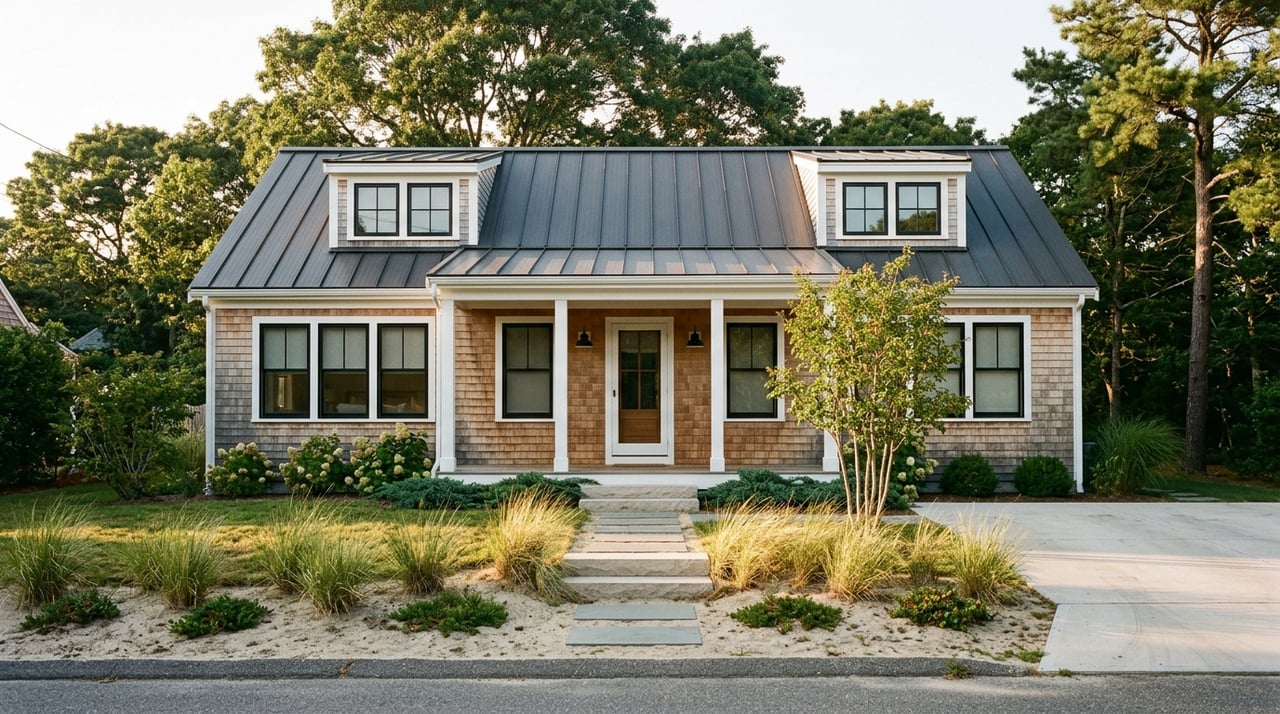
Long Beach, IN Second-Home Buyer’s Market Guide
June 11, 2026
June 11, 2026
Dreaming about a Lake Michigan getaway without paying Harbor Country prices? Long Beach, Indiana gives you a different kind of second-home opportunity: a small resort town with a strong seasonal identity, public shoreline access, and a housing mix that ranges from cottages to luxury lakefront homes. If you are comparing beach towns and trying to understand where Long Beach fits, this guide will help you look at pricing, lifestyle, access, and practical buying factors with more confidence. Let’s dive in.
Long Beach has deep roots as a resort community. The town was incorporated in 1921, and local planning documents still describe it as a seasonal summer destination with a long history tied to Chicago and Indiana buyers looking for a lakeside retreat.
That resort identity still shapes the market today. Long Beach is largely single-family in character, much of the housing stock is older, and the town has a notable seasonal-home presence. According to the town’s comprehensive plan, the median year built was 1957, and 81.4% of vacant units were classified as seasonal, recreational, or occasional use.
For second-home buyers, that matters. It means you are not shopping in a place that merely happens to be near the lake. You are buying into a community where weekend and summer living are part of the town’s long-term pattern.
Long Beach is a small market, and inventory can be limited. Realtor.com shows only 12 homes for sale and 3 rentals on its Long Beach page, which is a reminder that choices may be narrow at any given time.
Because the town is thinly traded, buyers often need to look at broader ZIP-level data alongside actual property-by-property pricing. In the 46360 ZIP code, Realtor.com reports a median listing price of $249,450 and a median monthly rent of $1,120, while Zillow shows a typical home value of $231,343, up 4.5% year over year, with homes going pending in about 14 days.
That broader data does not tell the full story of Long Beach itself. The local price range can stretch dramatically depending on location, lake views, and proximity to the beach or golf amenities. Current examples cited in the research range from about $515,700 for a smaller cottage to around $995,100 for a golf- and beach-adjacent home, all the way to roughly $3.79 million for a Lake Michigan shoreline estate.
In Long Beach, pricing is closely tied to lifestyle factors. A home with direct shoreline positioning, beach adjacency, or a premium setting near established amenities can trade in a very different tier than a smaller interior cottage.
That spread is common in second-home markets, but it can feel especially sharp in a place like Long Beach because the number of available listings is so small. When there are only a handful of active homes, each property can represent a very different use case, condition level, and ownership experience.
For you as a buyer, this means online averages are only a starting point. The real question is not just “What is the average price?” but “What kind of Long Beach lifestyle does this home actually buy?”
Long Beach tends to appeal to buyers who want a quieter Indiana shoreline retreat. The town’s planning framework continues to support shoreline access through public beach stops owned by the town, which helps preserve access as part of community life.
There is also a private-club option that adds to the lifestyle mix. Long Beach Country Club offers an 18-hole golf course, a pool, and member dining, with pool operations running from Memorial Day through Labor Day. That aligns closely with the town’s seasonal rhythm.
In practical terms, Long Beach is often a fit for buyers who want a place to unplug, host family and friends, and enjoy a repeatable summer routine near the lake. It is less about dense downtown activity and more about the feel of a residential beach community.
If beach access is one of your top priorities, Long Beach deserves a close look, but you should also understand the day-to-day realities. Town resources highlight beach water testing, swim advisories, and IDEM BeachAlert updates, which means conditions can change and should be checked as part of normal beach use.
The town also requires a permit for beach bonfires. That may sound like a small detail, but it reflects an important second-home lesson: enjoyment in a beach community often comes with local rules that shape how you use the property.
When you are buying in Long Beach, it helps to think beyond the house itself. You also want to understand how you will use the beach, how public access works, and what local regulations affect your plans for weekends, holidays, and summer gatherings.
This is one of the biggest practical factors in Long Beach. The town’s zoning code prohibits rental use under 30 consecutive days, so short-term rental income is constrained.
For some buyers, that is a positive because it supports a quieter, more residential environment. For others, especially those hoping to offset ownership costs with frequent vacation rentals, it can be a major limitation.
Before you buy, be honest about your goals. If you want a second home mainly for personal use, Long Beach may line up well with your priorities. If rental flexibility is central to your decision, you will want to factor this rule into your search from the start.
Many second-home buyers compare Long Beach with nearby Michigan lake communities. That is a smart move because each town offers a distinct blend of access, amenities, and price points.
On a broad basis, the 46360 proxy median list price of $249,450 sits below the Harbor Country values cited in the research for nearby beach towns, even though individual Long Beach shoreline homes can still climb well into the seven figures.
Here is a simple comparison based on the research:
| Community | Market Position | Notable Characteristics |
|---|---|---|
| Long Beach | Broadly lower-priced entry point, with luxury exceptions | Quiet Indiana shoreline setting, public beach stops, private club option, tighter rental rules |
| New Buffalo | Higher-priced and more amenity-dense | Public beach, marina, downtown dining and shopping, Amtrak stop |
| Lakeside | Higher-priced, cottage-oriented | Historic summer cottages, slower pace, seasonal traditions |
| Sawyer | Mid-range nature-focused option | Warren Dunes, trails, dog-friendly beach, local food and drink spots |
| Union Pier | Wide second-home price spread | Beach-centered lifestyle with varied property pricing |
| Grand Beach | Highest-priced, resort-historic feel | Golf, legacy resort character, notable historic homes |
For many second-home shoppers, ease of travel is part of the value equation. Long Beach buyers usually look to nearby Michigan City for rail access. Michigan City Transit Route 3 serves the Carroll Avenue South Shore station, and the South Shore Line offers daily commuter service from Chicago’s Millennium Station to South Bend Airport.
That setup can work well, but it is not the same as having a stop in town. By comparison, New Buffalo has its own downtown Amtrak stop, which gives that Michigan market a more direct rail option.
So if your ideal second home includes simple rail-based weekend travel, this is worth weighing carefully. If you are comfortable driving or using nearby transit connections, Long Beach may still be an excellent fit, especially if you value its quieter setting and pricing differences.
Because Long Beach is a lifestyle market, your buying process should go beyond beds, baths, and square footage. A smart search starts with how you plan to use the property most of the year.
Ask yourself:
These questions can narrow your search quickly. They also help you avoid comparing homes that may share a price band but offer very different ownership experiences.
Thin inventory, wide pricing spreads, and location-specific rules can make Long Beach harder to read than a larger market. A property near the shoreline may look similar on paper to another home elsewhere in town, yet the real difference in use, access, and value can be substantial.
That is especially true for second-home buyers coming from Chicago or other out-of-town markets. You are not just choosing a house. You are choosing a pattern of use, a level of convenience, and a version of lake living that needs to fit your lifestyle.
The best buying decisions in Long Beach usually come from understanding the full picture: seasonal character, public access, local rules, transit realities, and how the town compares with nearby alternatives. When you evaluate those factors together, you can buy with far more clarity.
If you are weighing Long Beach against New Buffalo, Union Pier, Lakeside, Sawyer, or Grand Beach, working with a team that understands both Northwest Indiana and Southwest Michigan can make that comparison much easier. If you want help narrowing your options and finding the right second-home fit, connect with Chad Gradowski.
Choose Chad Team, led by Chad Gradowski, is comprised of top-producing New Buffalo, MI real estate agents for Coldwell Banker. The team serves the real estate needs of Grand Beach, Union Pier, Lakeside, Harbert, Sawyer, Stevensville, and its surrounding areas. Don't miss out on the unparalleled expertise and personalized service offered by the Choose Chad Team. Whether you're buying or selling a home, trust them to guide you toward success. Contact Choose Chad Team today to make your real estate goals a reality!
Stay up to date on the latest real estate trends.
Don't miss out on the unparalleled expertise and personalized service offered by Chad Gradowski and the ChooseChad Team. Whether you're buying or selling a home, trust the #1 Real Estate Agent in Southwest Michigan to guide you towards success. Contact Chad today to make your real estate goals a reality.